

Our approach brings together extensive knowledge of psychology, disability, healthcare and the NDIS. This helps us understand the whole person—not just the service they are receiving—and provide support with strong foundations for meaningful growth.
Psychology and Disability Expertise
Our experience across psychology, behaviour support and disability services gives us a deeper understanding of emotional wellbeing, behaviour, communication and the everyday impact of disability.
Medical and Healthcare Insight
Our leadership also brings valuable experience across medical and healthcare settings, supporting a more informed understanding of health needs, risk, clinical recommendations and collaboration with treating professionals.
Experienced NDIS Guidance
With extensive experience navigating NDIS plans, complex support environments and multidisciplinary services, we provide practical guidance while keeping each participant’s goals, rights and choices at the centre.
Personal and Culturally Responsive
We recognise that culture, language, family and lived experience all shape a person’s support journey. We listen carefully and provide respectful, individualised support that grows with each person’s needs.

Strong foundations for meaningful growth
The Sidra Care Difference
Services We Offer
Our personalised NDIS services are rooted in care and designed to support growth at every stage of life. We work alongside each person to build confidence, strengthen independence and create opportunities to participate, connect and flourish.
Therapeutic Supports
-
Warm, trauma-informed support for emotional wellbeing, relationships, resilience and meaningful personal change.
-
Supporting people to participate more independently in everyday activities at home, school, work and in the community. Occupational Therapy may assist with daily living skills, sensory needs, emotional regulation, assistive technology, environmental assessments and functional capacity.
-
Supporting communication, language, social interaction and swallowing needs across different stages of life. Speech Pathology may help people express themselves, understand others, use alternative communication methods and participate more confidently in everyday settings
-
A creative and supportive form of therapy that uses art-making to help people express emotions, explore experiences and build confidence. Art Therapy can be especially helpful for people who find it difficult to communicate through words alone and is tailored to each person’s abilities, interests and therapeutic goals.
-
Personalised nutrition support to improve health, wellbeing and everyday participation. A dietitian may assist with meal planning, nutritional concerns, food sensitivities, restricted eating, weight management, disability-related dietary needs and developing practical routines around food and mealtimes.
Coordination, Recovery & Employment
-
Helping you understand your NDIS plan, connect with suitable providers and coordinate the supports you need. We also support you to build confidence, make informed choices and strengthen your ability to manage your services over time.
-
Experienced coordination for participants navigating complex needs, significant risks, multiple service systems or challenging support environments. We work collaboratively with participants, families and professionals to improve stability, reduce barriers and establish clearer support arrangements.
-
Supporting people with psychosocial disability to strengthen recovery, build confidence and work towards goals that are meaningful to them. Recovery coaching can also help with daily routines, community connection, decision-making and navigating mental health and NDIS supports.
-
Helping young people build the practical skills and confidence needed to transition from school into employment, training or further education. Supports may include workplace readiness, communication, travel training, résumé preparation, interview practice and exploring suitable career pathways.
-
Practical support to prepare for significant changes such as leaving school, moving home, beginning work or becoming more independent. We help participants identify goals, explore options and develop clear steps for a smoother transition.description
-
Personalised support to strengthen confidence, decision-making and practical everyday skills. This may include building routines, improving communication, developing social skills and increasing independence at home and in the community.
Community & Daily Living
-
Supporting people to explore their interests, build social connections and participate in meaningful community activities. Services are shaped around individual preferences and may include attending events, appointments, recreational activities or developing confidence in new environments.
-
Respectful support with personal care, daily routines and tasks that may be difficult to complete independently. Support is delivered in a way that promotes dignity, choice, privacy and as much independence as possible.
-
Helping people develop practical skills that support greater independence in everyday life. This may include meal preparation, budgeting, shopping, household routines, communication, planning and safely accessing the community.
-
Reliable support with cleaning, laundry and general household routines to help maintain a safe, comfortable and organised home. Services are tailored to the participant’s needs, preferences and agreed level of assistance.
-
Assistance with basic outdoor tasks to help keep the home environment safe, accessible and well maintained. This may include mowing, light gardening, tidying outdoor areas and other agreed maintenance tasks.
-
Support to attend appointments, activities, work, education and community destinations safely and confidently. Depending on the person’s needs, this may include accompanied travel, support using public transport or assistance planning familiar routes.
-
Small, supportive programs designed to build practical skills, confidence, social connection and meaningful participation. Activities may focus on creativity, communication, emotional wellbeing, independence and shared interests in a welcoming environment. All our programs are run in clinic and by our highly trained practitoners.
Programs & Groups
Purposeful programs designed to bring children and young people together to build confidence, develop skills, connect with others and participate in meaningful experiences.
Our groups are thoughtfully formed to support positive and meaningful participation. When allocating participants to a group, we consider factors such as:
Age and developmental stage
Disability-related needs and presentation
Functional capacity and level of independence
Communication needs and communication style
Sensory and emotional regulation needs
Social skills and level of support required
Individual interests, strengths and goals
This means participants are not grouped by age alone. Wherever possible, we aim to bring together children and young people with compatible abilities, support needs and interests, creating an environment where participants can feel comfortable, engage meaningfully and build genuine connections with their peers.
Group suitability is discussed with families prior to commencement, and individual support requirements are considered to ensure the program can be delivered safely and appropriately.
See below for our range of programs we currently offer.
-
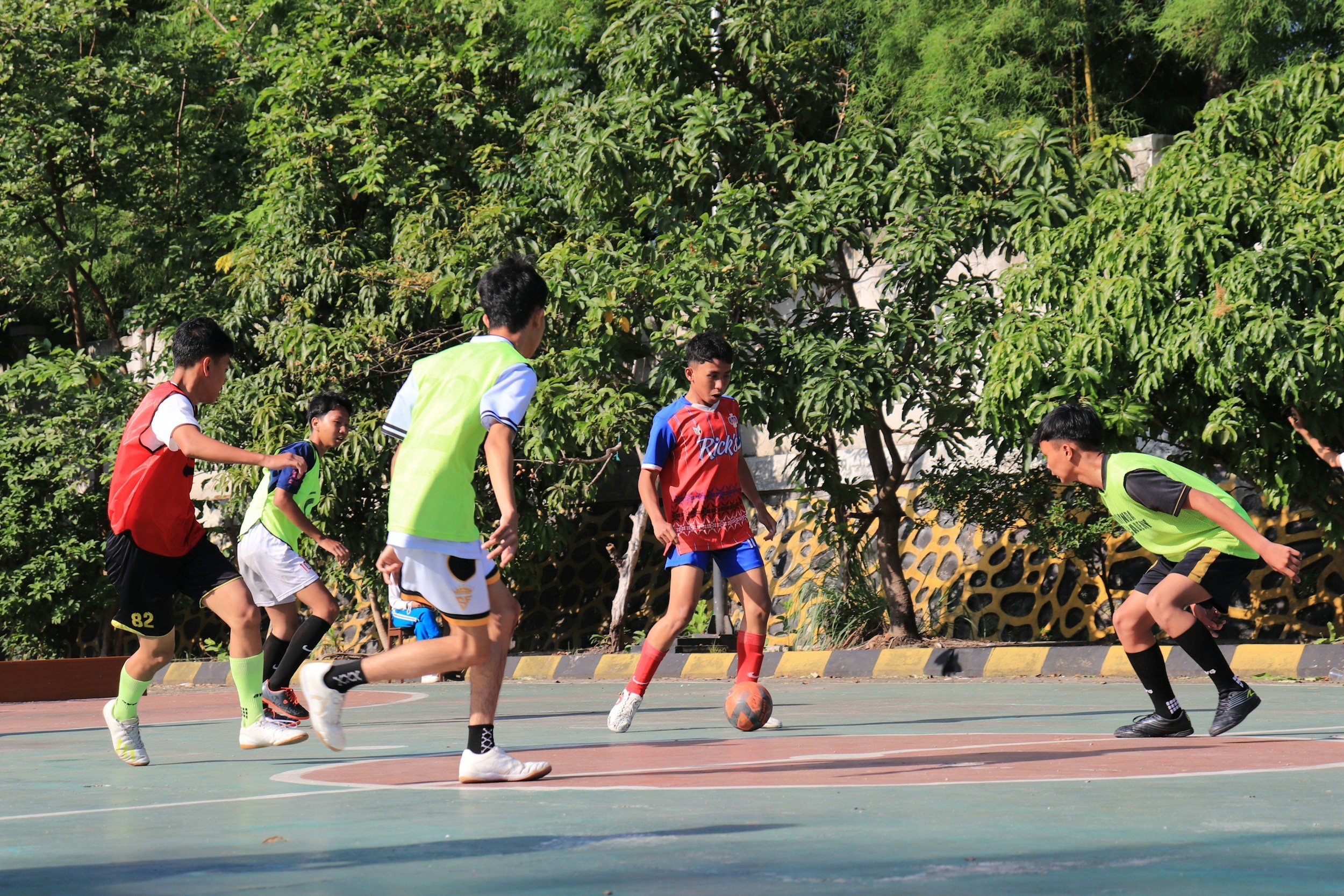
Fun, engaging and supported school holiday experiences combining creative activities, sensory play, group games, everyday life skills and community participation.
Days: Selected days
Dates: NSW School Holidays
Times: 9:00am – 3:00pm
Age Groups: 2- 18 yearsGroup placement is based on age, individual support needs and functional capacity.
-
A specialised program for young children preparing for the transition to school.
Through purposeful play and structured group activities, children can practise skills including communication, following routines, emotional regulation, turn-taking, fine motor skills, independence and participating in a group environment.
Dates: Selected NSW School Holidays and ongoing weekend allocation
Age: Pre-school and school-entry age
Group Size: Small groups based on developmental and functional needs -
A relaxed and supportive program designed for teenagers to meet others, build friendships, develop confidence and strengthen social and everyday independence skills.
Activities are centred around shared interests and may include cooking, gaming, creative activities, group challenges, community outings and practical life skills.
Teen Connection Groups are carefully matched according to age, functional capacity, communication needs, interests, social development and level of support required, helping create groups where participants are more likely to feel comfortable and genuinely connect.
Dates: Selected NSW School Holidays and ongoing weekend allocation
Age: Approximately 12–18 years
Program Times: Vary depending on the planned activity

About us
-
At Sidra Care, support begins with listening.
We take the time to understand each person’s goals, strengths, preferences, culture and circumstances, as well as the people who are important in their life. This helps us provide support that is personal, practical and meaningful.
Our approach considers the whole person- not simply a diagnosis, funding category or individual service need. We communicate openly and work collaboratively with participants, families, support networks and treating professionals.
As each person’s needs and goals change, we adapt our support so it can continue to grow alongside them.
-
Our team brings more than 15 years of combined experience supporting people across not-for-profit organisations, hospital settings, behaviour support, disability services and the NDIS. With tertiary qualifications and a medical background, we bring together a broad understanding of emotional wellbeing, behaviour, communication, health needs and the everyday impact of disability.
This combination allows us to look beyond a single diagnosis or service request and understand the whole person. We consider each participant’s strengths, goals, health, culture, family circumstances and support network when planning how we can work alongside them.
Participants and families choose Sidra Care because they want support that is knowledgeable without feeling clinical or impersonal. We listen carefully, explain things clearly and communicate openly with the people involved in each participant’s care. Our experience across different settings also helps us collaborate effectively with families, clinicians and other service providers.
We do not take a one-size-fits-all approach. Our support is thoughtful, practical and responsive, with a focus on building trust, strengthening independence and helping each participant flourish in ways that are meaningful to them.
-
Our work is guided by respect, compassion and the belief that every person should have choice and control over their support.
We are committed to:
Listening carefully and treating every person with dignity.
Recognising each participant’s individual strengths and abilities.
Respecting personal choices, culture, identity and lived experience.
Communicating openly and building relationships based on trust.
Working collaboratively with families, support networks and professionals.
Supporting progress that is meaningful to the individual.
These principles shape the decisions we make, the relationships we build and the way we provide support each day.
-
The Sidra tree represents strength, resilience, shelter and growth. It reflects our belief that meaningful support is rooted in strong foundations and trusting relationships where people feel safe, understood and valued.
Sidra Care brings together psychological insight, disability knowledge, healthcare experience and genuine human connection. We work alongside each person to recognise their strengths, nurture their potential and help them flourish in ways that are meaningful to them.